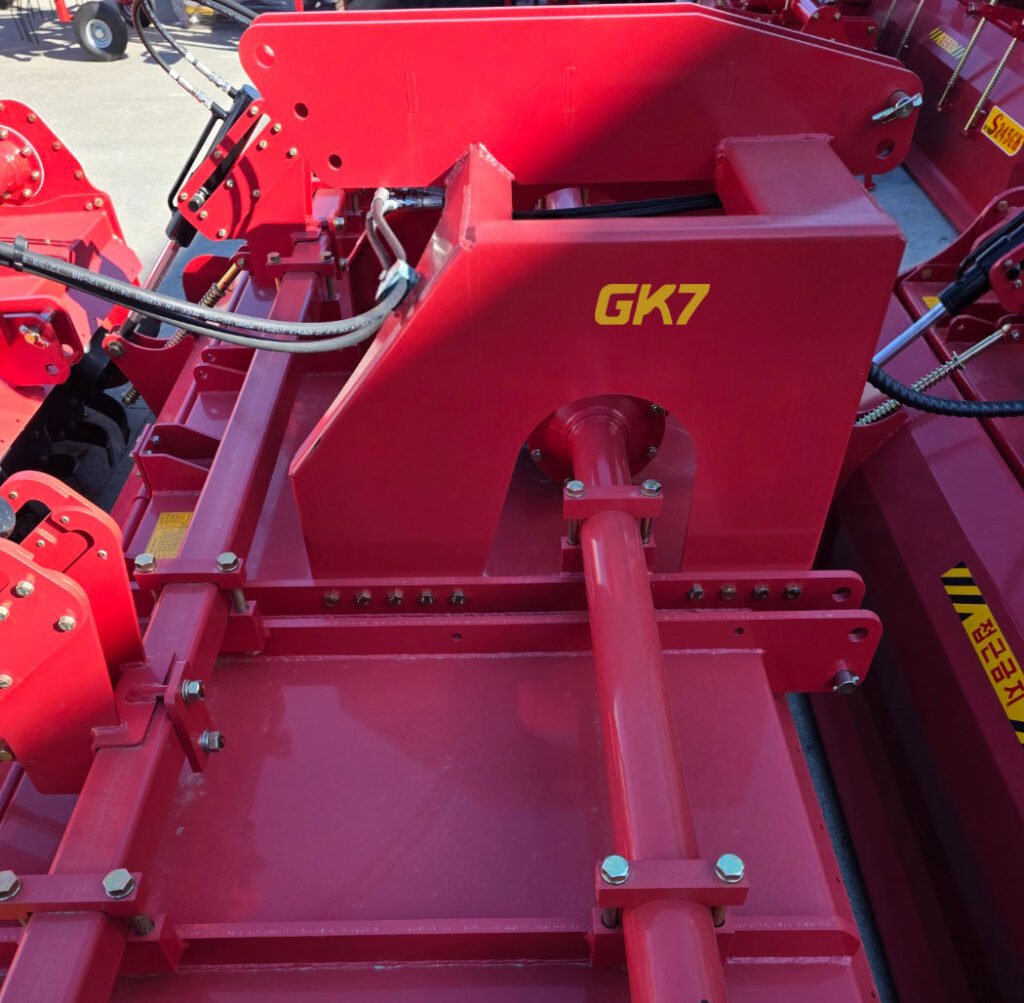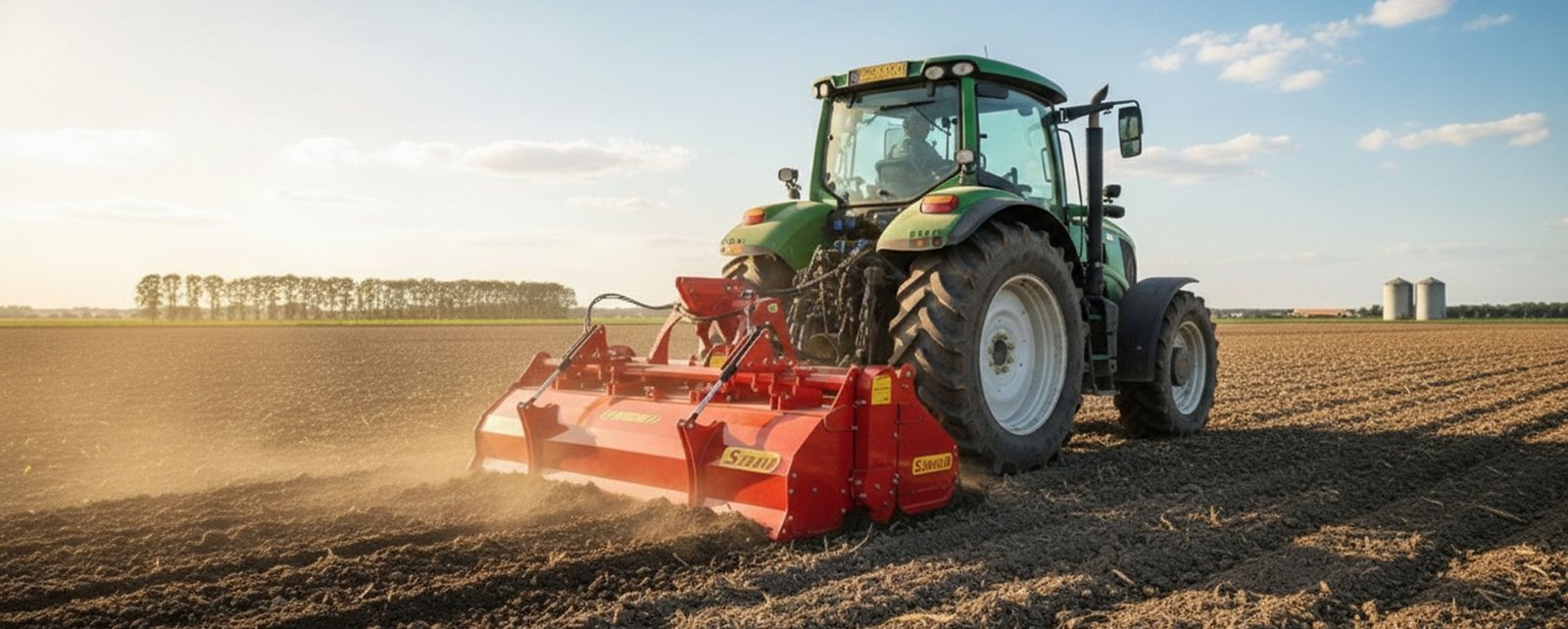
Welcome to the official ORATEXCA FAQ and Support Center. As a global leader in agricultural precision engineering, we receive numerous inquiries from international dealers and professional farmers. To help you make informed decisions, we have compiled the top 5 most frequently asked questions about our GK7 lineup, including the revolutionary Dual-Shaft Rotary Tiller, SRF6000 Rotary Rake, STD550 Rotary Tedder, and SDP100 Disk Plow.
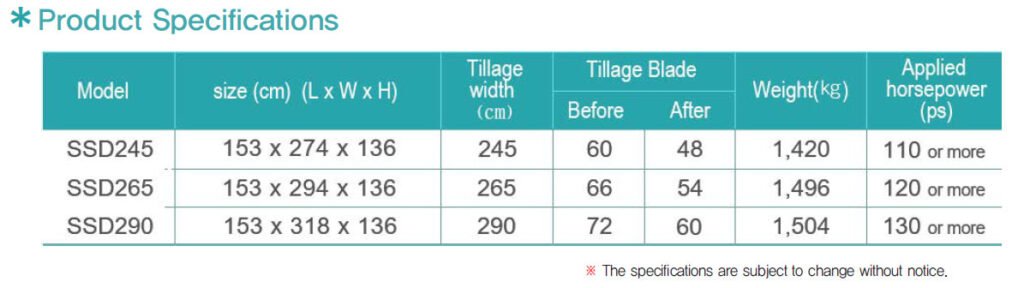
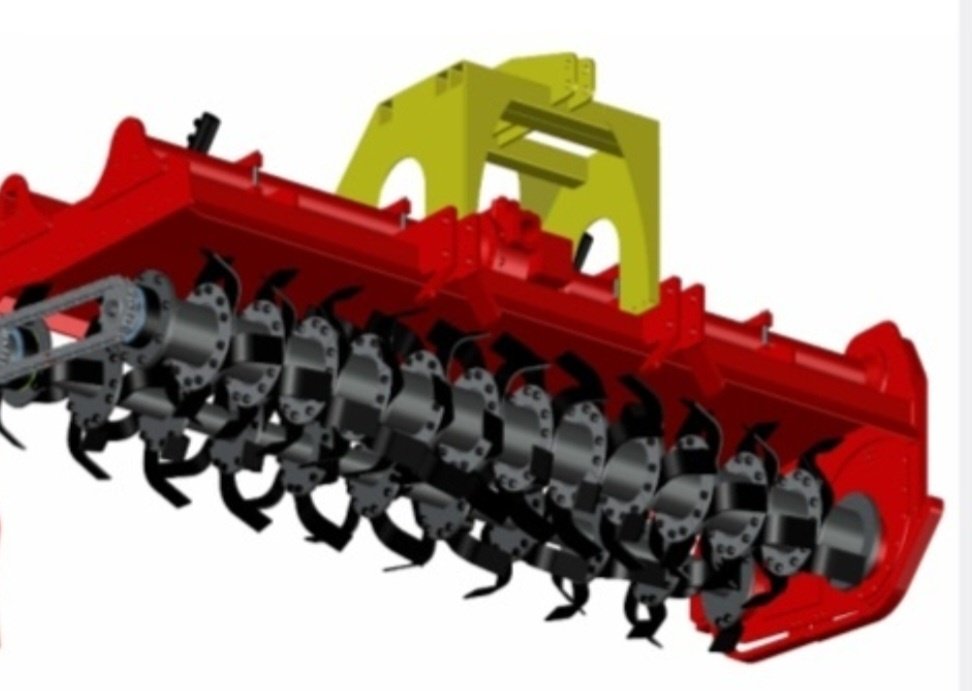
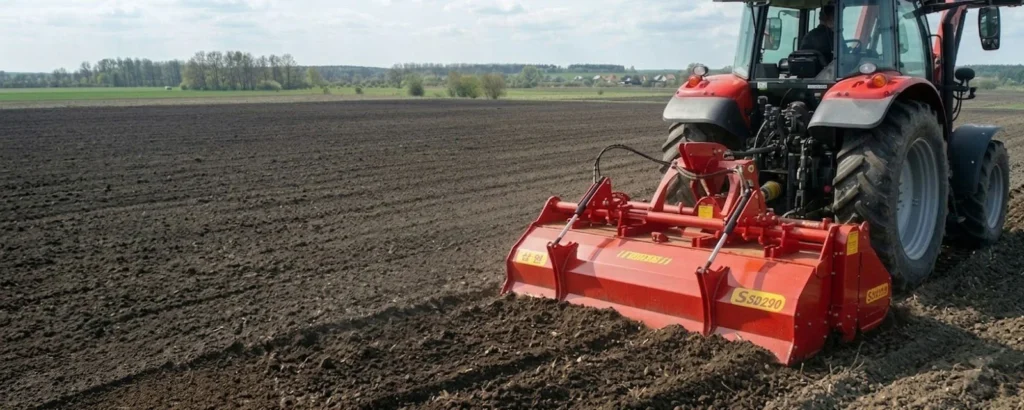
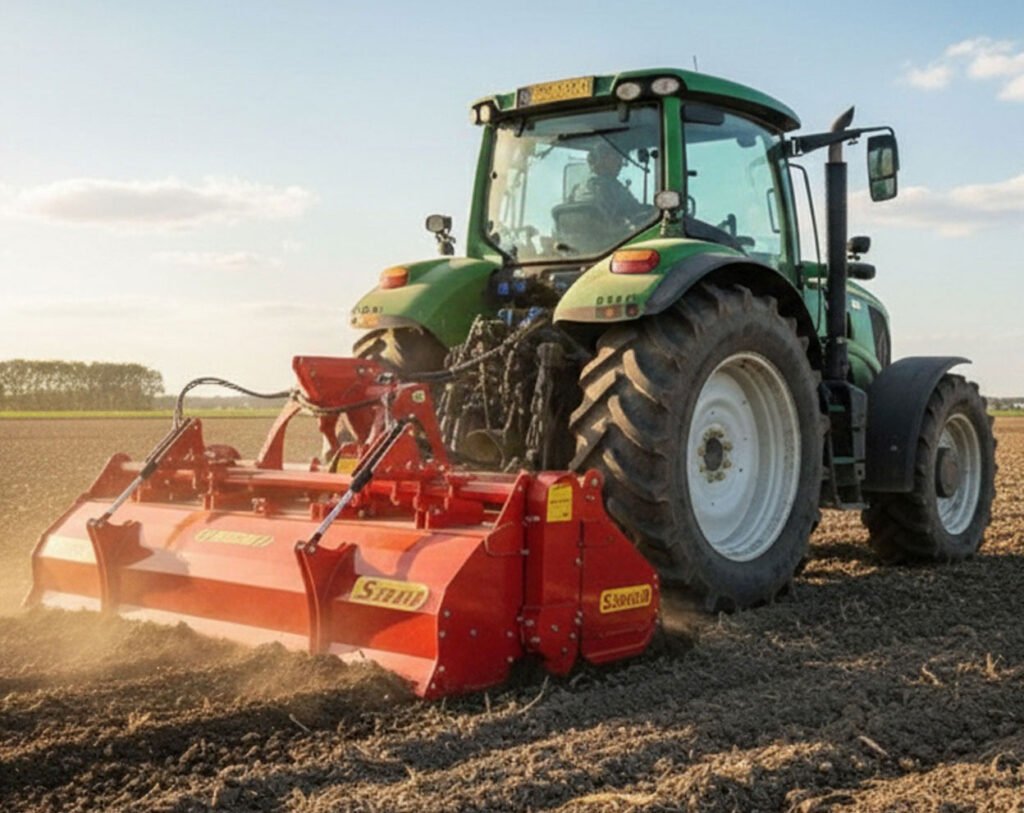
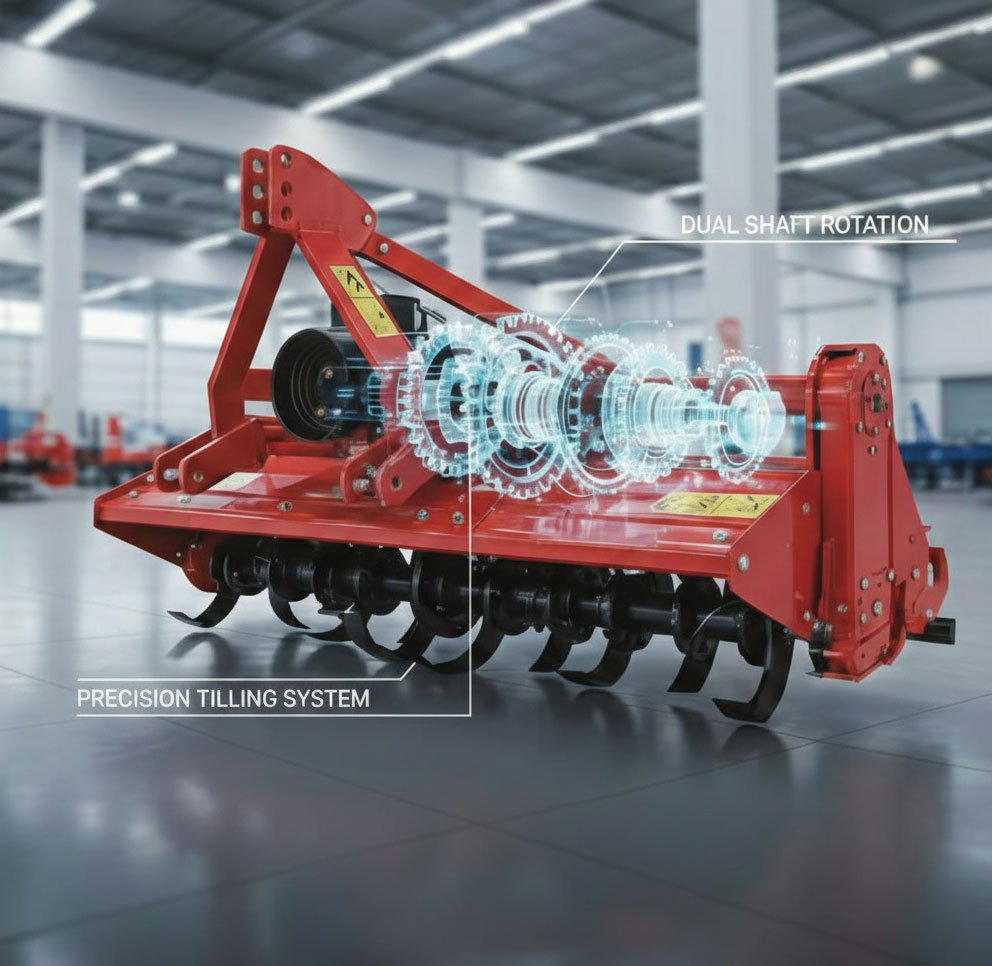
Q1. What makes the GK7 Dual-Shaft Rotary Tiller (SSD290) different from standard tillers?
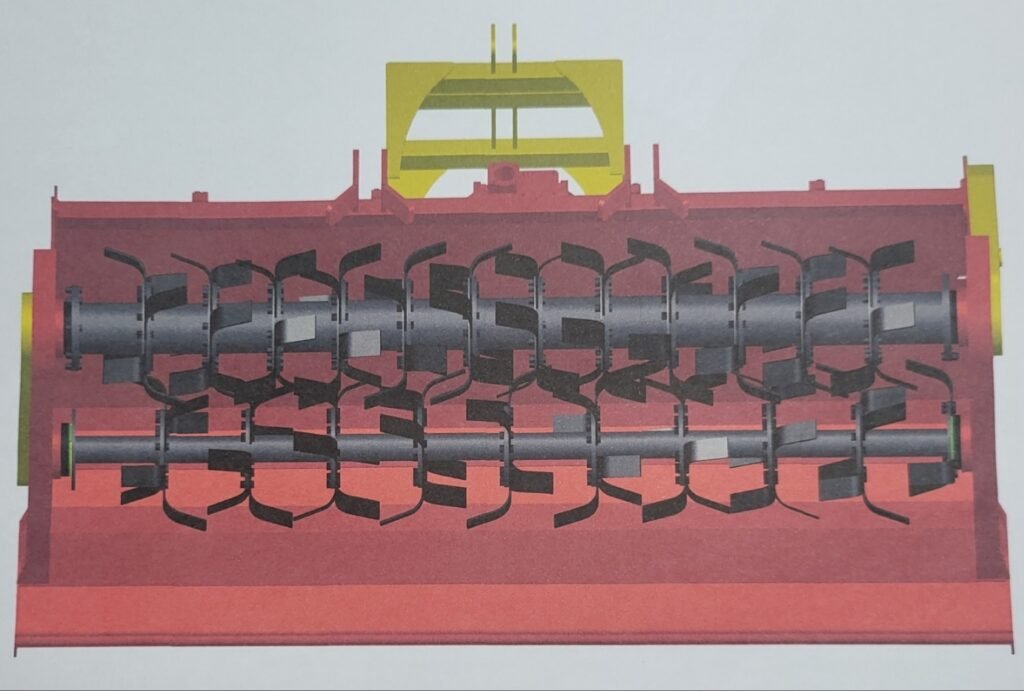
A: The SSD290 is equipped with the world’s first patented Dual-Shaft Rotation system. Unlike conventional tillers, it performs primary and secondary tillage simultaneously in a single pass. This smart design allows you to complete 4 days of workload in just 2 days, maximizing efficiency by 200% and reducing fuel consumption by up to 50%. It is the ultimate solution for farm profitability.
Q2. What materials are used to manufacture ORATEXCA machinery?
A: We believe that unrivaled durability starts with premium sourcing. The main body frames of our GK7 machines are manufactured using SS400 high-tensile steel from POSCO and Hyundai Steel, globally recognized leaders in steel production. Combined with S45C/STPG/SGP main shafts and SKF/NTN high-precision bearings, our machines are built to withstand the toughest agricultural environments worldwide.
Q3. How difficult is the maintenance and repair of the equipment?
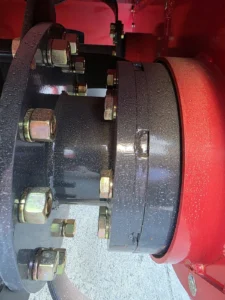
A: We operate on a “Zero Downtime Philosophy.” We understand that during the harvest season, every minute counts. For instance, the GK7 rotary tiller is uniquely designed so that the rotary shaft can be separated without disassembling the side plates. This revolutionary maintenance access minimizes repair time and gets your machine back to the field significantly faster.
Q4. Do you use internationally recognized components for global compatibility?
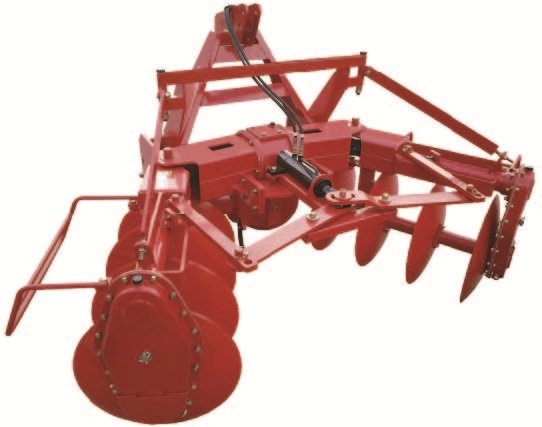
A: Absolutely. Alongside our premium Korean steel, we source top-tier international components. A perfect example is our SDP100 Disk Plow, which features premium high-carbon steel discs sourced directly from Spain for exceptional wear resistance. We ensure all parts meet KS, JIS, and international industrial standards.
Q5. How can I request a quote or become an official global dealer?
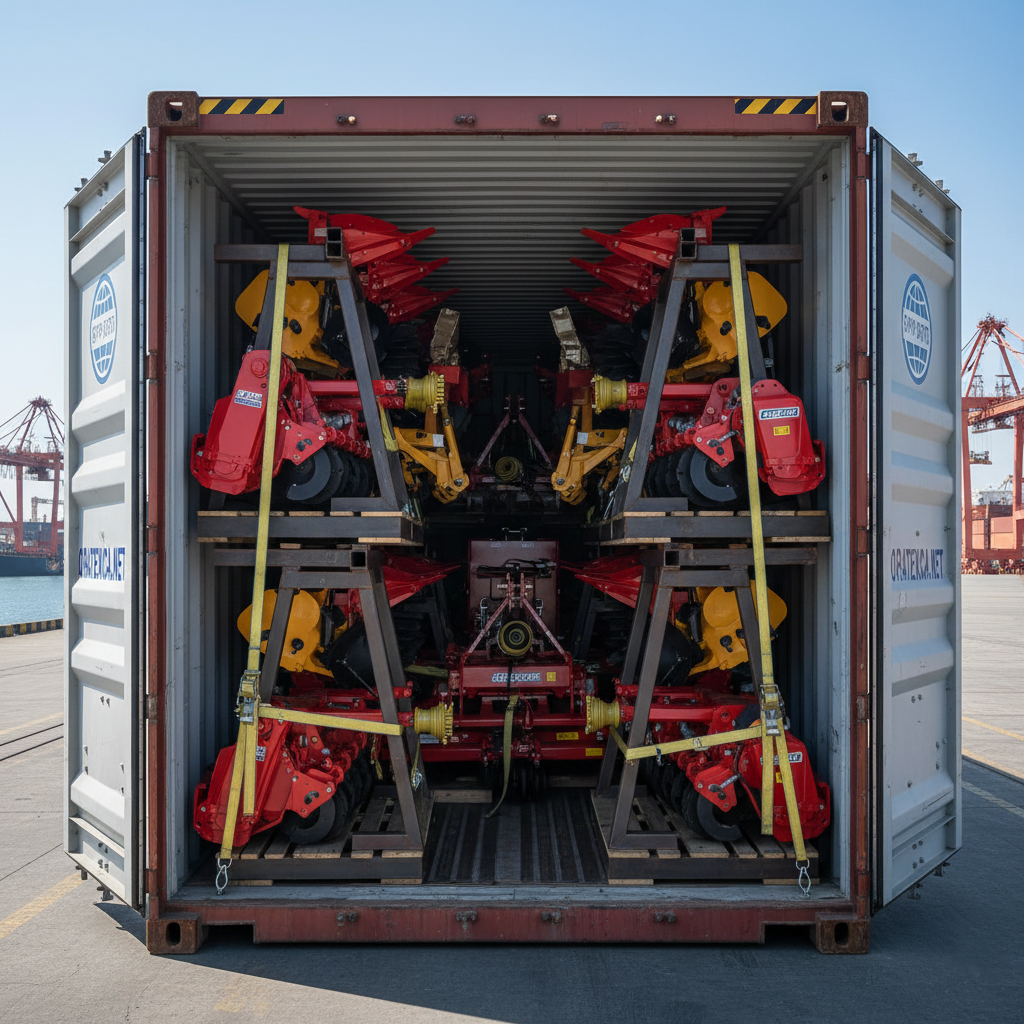
A: We are continuously expanding our strategic dealer network worldwide. If you are interested in pricing, shipping conditions, or becoming an official ORATEXCA partner in your region, please reach out to our dedicated global sales team.
- Email: oratexca@oratexca.com
- Website: www.oratexca.com
Engineered by ORATEXCA. The New Global Standard in Heavy-Duty Tillage. If you have any further technical questions or require a specific parts manual, please do not hesitate to contact us